
Last reviewed: September 2026
Podcast Marketing: How to Launch and Grow a Branded Show
Christoph Olivier · Founder, CO Consulting
Growth consultant for 7-figure service businesses · 200M+ organic views generated for clients · Updated May 3, 2026
Most 7-figure service businesses dismiss podcasting as a vanity play. It’s not. A podcast is one of the few content formats that compounds. Every episode you ship continues to generate downloads, leads, and referrals long after publication. Compare that to paid ads, which cost money every single day just to keep the lights on.
The problem isn’t whether to start a podcast, it’s how to start one that actually drives revenue. Most branded shows fail because founders treat podcasting like a hobby: record conversations, upload to Spotify, hope for the best. That approach generates 12 listeners and zero dollars.
A branded podcast only works if it’s built as a system. You need a clear positioning, a repeatable format, a distribution strategy, and a funnel that turns listeners into leads and customers. You also need to understand that podcast success isn’t measured in downloads alone, it’s measured in qualified conversations, enterprise partnerships, and revenue.
This guide walks you through launching and scaling a branded podcast that compounds. We’ll cover positioning, format design, production logistics, distribution channels, guest strategy, monetization, and how to measure what actually matters. If you follow this playbook, your podcast becomes a 24/7 lead generation and brand-building machine.
“A podcast episode generates leads and brand authority for years. A paid ad stops the moment the budget does.”
TL;DR, the 60-second brief
- Podcasts are a compounding content asset: Unlike paid ads that stop the moment the budget does, a podcast episode generates downloads, leads, and brand authority for years.
- You need a clear audience and format first: Successful podcasts solve a specific problem for a specific person. Random conversations or industry news won’t hold listeners.
- Distribution is harder than production: Most founders spend 80% of effort on recording and 20% on getting it heard. Flip that ratio.
- Guest leverage multiplies your reach: Having established voices on your show gives you access to their audiences and turns one episode into 3 to 4 pieces of repurposed content.
- At CO Consulting, we build podcast systems that feed your entire marketing funnel: We help you design the show, structure episodes for conversion, automate guest booking, and turn audio into video, clips, blogs, and emails that compound your reach.
Key Takeaways
- A branded podcast is a compounding asset that generates leads and authority for years, unlike paid ads that stop working when you stop paying
- Success requires clarity on audience, format, and conversion path before you record episode one
- Production takes 20% of your effort; distribution and guest leverage take 80%
- Repurpose every episode into video clips, blog posts, email sequences, and LinkedIn content to multiply reach
- Guest episodes are 3 to 4× more powerful than solo shows because you access their audiences and get automatic social amplification
- Your podcast funnel should be integrated into your overall marketing system, not a standalone channel
- Measure success by qualified conversations and revenue impact, not vanity downloads
Why Podcasts Work for 7-Figure Service Businesses
A podcast does something most marketing channels can’t: it builds trust at scale. When a prospect listens to you think through problems for 30 to 45 minutes, twice a week, for 12 weeks straight, they know you. They’ve heard your frameworks, your opinion on what matters, and how you talk to clients. By the time they see a sales email or attend a discovery call, you’re not a stranger anymore.
Unlike content marketing (blog posts, videos) or paid advertising, podcasts create asymmetric reach. A single episode you ship today can generate 200 downloads in the first month, 400 in three months, and 600 in a year, all from people discovering you through search, recommendations, and your website. The audio keeps working while you sleep. It’s the closest thing to a 24/7 sales system in content marketing.
For service businesses specifically, podcasting solves a unique problem: it’s the best way to access other people’s audiences. Every guest you have on your show brings their network. If you interview someone with 5,000 LinkedIn followers, you’re not just getting their direct audience, you’re getting social amplification, potential backlinks, and partnership opportunities. One episode can turn into 3 to 4 relationship-driven revenue channels.
The math is simple: a podcast costs roughly $500 to 2,000/month to produce (hosting, recording, light editing), and a single qualified lead from a podcast guest relationship or listener is worth $5,000–$50,000. That’s a 5 to 100× ROI on production costs. Most paid advertising channels can’t claim that.
Define Your Positioning and Format Before You Record
The biggest mistake founders make is recording before they know what they’re recording. They get a microphone, book a guest, hit record, and hope the conversation is interesting. It rarely is. Without a clear positioning, who the show is for, what problem it solves, and how it fits into your business, you’ll ship 6 episodes, get tired, and abandon the podcast.
Start with these four positioning questions: Who is this podcast for? (Your ICP, not the general audience. Not “entrepreneurs”, be specific: “founders of service agencies scaling from $1M to $5M ARR”). What problem does it solve for them? (Not “we talk about business”, be precise: “how to build repeatable sales processes without hiring a VP of Sales”). What format serves that audience best? (Interview show, solo teaching, panel, narrative, each has a different reach and production cost). How does this feed your business goals? (Lead generation from listeners? Guest relationships? Thought leadership with existing clients? Authority within a specific niche?)
Once you have positioning, format design becomes straightforward. A solo teaching podcast (you talking through frameworks, case studies, and mistakes) is cheap to produce but harder to grow, you’re relying entirely on SEO and audience discovery. An interview show costs more (scheduling, editing, multiple voices) but gives you guest leverage and automatic social amplification. A hybrid (mostly solo, occasional guest episodes) balances both. Choose format based on your ICP and distribution channels, not based on what you enjoy.
We’ve seen research suggesting that interview-based podcasts generate 40 to 60% more listener engagement and social shares than solo shows. This is because listeners care about who’s on the show, and guests care about promoting the episode. A solo show is a monologue; an interview show is a conversation. People share conversations.
Build Your Production and Hosting Infrastructure
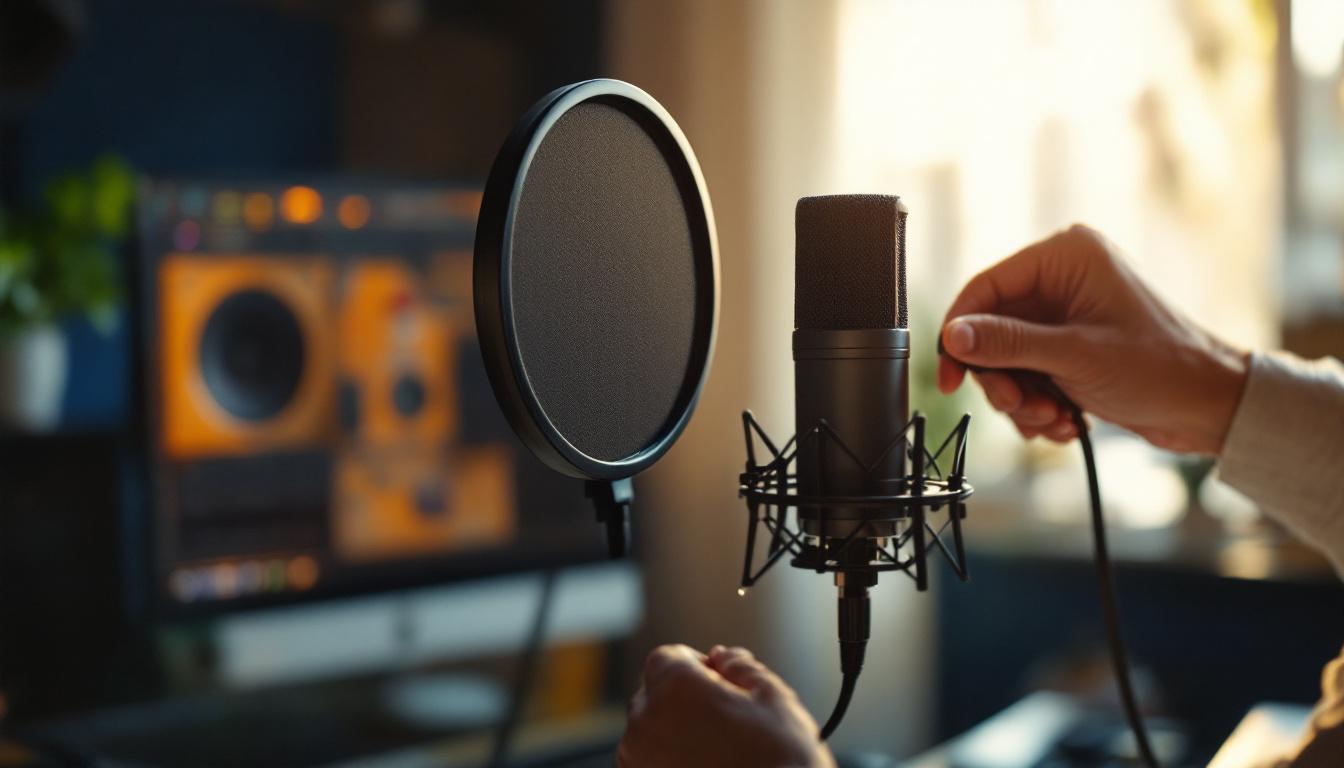
You don’t need fancy equipment to start a podcast, but you need reliable systems. We recommend a USB condenser microphone ($50 to 150), a simple recording setup (Riverside.fm or Zencastr for remote interviews, or a local DAW like GarageBand if you’re recording solo), and a podcast hosting platform (Buzzsprout, Transistor, or Podbean: $100 to 300/year). The total startup cost is under $500.
What matters more than equipment is consistency and distribution infrastructure. Most founders record sporadically, miss upload deadlines, and never submit to podcast directories. Then they wonder why they’re not growing. Consistency beats quality. A mediocre episode shipped on time outperforms a perfect episode shipped three weeks late. Set a recording schedule (weekly or biweekly), batch-record episodes (record 4 at a time, space them out), and automate your distribution pipeline.
Your distribution pipeline should look like this: record episode → upload to hosting platform → automatically distributed to Spotify, Apple Podcasts, Google Podcasts, and YouTube via your hosting provider → create blog post transcript → turn audio into 8 to 12 short video clips → schedule clips across LinkedIn, Twitter, TikTok, Instagram Reels for 2 to 3 weeks. This is not optional. Most podcast reach comes from clips and repurposed content, not from podcast platforms themselves. If you’re not turning every episode into 8 to 10 pieces of content, you’re leaving 70% of your reach on the table.
For guest management, automate as much as possible. Use Calendly or Cal.com to let guests book their own time slot. Use a pre-recording checklist (test your audio, here’s how to dial in, here’s our format, send me your bio and LinkedIn URL 48 hours before). Use Riverside.fm or Zencastr to record remote interviews at high quality. Use Descript or Rev for automated transcription. The less manual work you do per episode, the more episodes you can ship.
- Microphone: Blue Yeti or Audio-Technica AT2020 ($50 to 150)
- Recording software: Riverside.fm (remote interviews, $20/mo) or Zencastr (free tier available)
- Podcast host: Transistor ($19/mo) or Buzzsprout ($12/mo). Include RSS distribution to Apple, Spotify, Google, YouTube
- Editing: Descript (AI-powered, $10 to 30/mo) or Adobe Audition if you want full control
- Transcription: Descript (included) or Rev.com ($1.50/min). Transcripts are essential for SEO and accessibility
- Video clipping: Descript (auto-generates clips) or Opus Clip (AI clipping, free tier) or CapCut (free, manual editing)
- Guest booking: Calendly + spreadsheet, or Podpage/Riverside’s built-in booking for scaled operations
- Analytics: Most podcast hosts include basic analytics. Spotify for Podcasters and Apple Podcasts Connect provide listener data
Master Guest Strategy and Leverage
The fastest way to grow a podcast is through guest leverage, and most founders don’t use it. When you have a guest on your show, they have incentive to promote the episode to their network. That’s 2 to 3 social posts, a mention in their email list (if they have one), and potentially a backlink from their website. You get automatic social amplification and access to their audience. A single guest episode can generate 5 to 10× the downloads of a solo episode, if positioned correctly.
To make guest leverage work, you need a clear pitch and a repeatable process. Your pitch should answer: Why do you want them on your show specifically? What’s in it for them? What will you do to amplify the episode? (This is crucial, if you just record and upload, they have no incentive to share.) Example: “I’m bringing on [NAME] because our audience is [AUDIENCE], and your [EXPERTISE] directly solves [PROBLEM] they face. We’ll turn this into 12 short clips for LinkedIn, TikTok, and Twitter, and feature you prominently. We’ll also send the transcript to our email list.” That’s a win for them.
Aim for 70 to 80% of your episodes to feature guests, and 20 to 30% to be solo teaching episodes. This gives you consistent reach (guests promote) and authority (you teaching without someone else on the mic). For a weekly show, that’s 3 to 4 guest episodes and 1 solo episode. For biweekly, that’s 1 guest episode and 1 solo.
Build a tiered guest strategy: micro-influencers (5K–50K followers), mid-tier (50K–500K followers), and macro guests (500K+). Start with micro-influencers and peers in your space. They’re easier to book, more likely to promote the episode, and their audiences are typically higher-quality (engaged, smaller, niche). Once you have 50+ episodes and a track record, approach mid-tier guests. Macro guests are usually only worth it if you have significant production value and audience size, otherwise they see no ROI.
Repurpose and Distribute for Exponential Reach
Here’s what most podcasters get wrong: they think podcast success is measured in downloads. It’s not. Downloads are a vanity metric. Real success is measured in how that content compounds across multiple channels, video, text, email, social. A single podcast episode should generate content for 2 to 3 weeks of social distribution.
Take a 40-minute episode and extract: 12 to 15 short video clips (30 to 90 seconds each, one takeaway per clip), a full transcript (SEO + accessibility), a 1,500 to 2,000 word blog post (pulls from the transcript + adds framework), 3 to 5 email sequences (one key idea per email), and 8 to 10 social quotes. That’s 35+ pieces of content from a single source. All of it points back to the full episode. This is how podcasts scale from 100 downloads/episode to 1,000+, you’re not just relying on podcast platforms, you’re feeding the entire content distribution system.
Video clips are non-negotiable. Descript, Opus Clip, or CapCut can auto-generate short clips from your podcast. Use eye-catching graphics, captions, and speaker footage (if available). Schedule clips on LinkedIn (3 to 4x/week), TikTok (2 to 3x/week), Twitter/X (daily), and Instagram Reels (2 to 3x/week). In our experience, short-form video from podcast content generates 40 to 70% of total podcast reach. If you’re not clipping, you’re invisible.
Email is where podcast content compounds hardest. Send a 2 to 3 sentence teaser to your list the day the episode goes live. Then, send 1 to 2 follow-up emails in the following weeks with specific frameworks or quotes from the episode. This keeps the episode in your audience’s mind and drives replay listens. Most podcast listens come from email, not podcast platforms. Optimize for that.
Integrate Podcasts Into Your Funnel and Attribution Model
A podcast is only valuable if it connects to revenue. Many founders build audiences with no clear path to customers. They get 500 downloads/episode and still take $0 from the channel. That’s because they haven’t built a conversion system.
Your podcast funnel should look like this: listener → lead magnet or email signup → nurture sequence → sales conversation → customer. In every episode, call out a specific resource (“download our framework at [your domain]/podcast-framework”). In your show notes, include a CTA (“ready to apply this? Book a 30-minute audit at [your domain]/consultation”). In your email sequences triggered by podcast signup, sell your services. Track every lead back to which episode they came from, this is critical for measuring ROI.
Use UTM parameters and a unique landing page for each episode or guest. Example: utm_source=podcast&utm_medium=episode&utm_campaign=episode-42-growth-systems. This tells you which episodes drive leads and which don’t. Over time, you’ll see patterns (guests with audiences drive more leads, certain topics convert better, etc.). Double down on what works.
For attribution, understand that podcast leads often have longer sales cycles. A prospect might listen to your podcast for 8 weeks before reaching out. They’re warm before they ever contact you. This is different from paid advertising, where intent is immediate. Set expectations: podcast leads typically have higher close rates but longer cycles. That’s a feature, not a bug.
Monetization: How to Turn a Podcast Into Revenue
There are four ways to monetize a branded podcast: sponsorships, lead generation from your own services, affiliate revenue, and premium/paid tiers. For 7-figure service businesses, lead generation from your own services is almost always the biggest play. Sponsorships require 10K+ downloads/episode to be worth it, and affiliate revenue is a rounding error. So focus on making your podcast a lead generation machine first.
If you’re interested in sponsorships, wait until you have 5K–10K downloads per episode. At that scale, you can charge $1K–5K per sponsor spot (depending on niche and audience quality). Relevant sponsors to service businesses: tools (accounting software, CRM, automation platforms), education (courses, certifications), and complementary services (design agencies if you’re a marketing agency, etc.). Vet sponsors carefully, a bad sponsor erodes listener trust.
Affiliate revenue is rarely worth optimizing for unless you’re already recommending tools. If you mention Zapier, Calendly, or Stripe in your show, include affiliate links. You’ll earn $100 to 500/month at scale. It’s free money, but don’t build the podcast around it.
The real monetization is this: a podcast with 2,000 downloads/episode and a clear funnel can generate 5 to 15 qualified leads per month. If your average deal size is $10K, that’s $50K–150K per month in pipeline. That’s why we build podcasts as lead generation systems, not as audience monetization plays.
Measure What Matters: Metrics Beyond Downloads
Download numbers are a distraction. Most podcasters obsess over episode downloads (“We hit 1,000 downloads!”) and ignore the metrics that actually matter: qualified leads, customers acquired from podcast touchpoints, and revenue per episode.
Track these metrics instead: leads per episode (how many people sign up for your lead magnet or email list from this episode), conversion rate from lead to conversation (what % of podcast leads book a discovery call), customer acquisition cost from podcast (total podcast spend divided by customers acquired), and customer lifetime value from podcast customers (are podcast leads higher-value or lower-value than other channels). Over time, you’ll see patterns. Some episodes or guest types drive more leads. Some listeners never convert. Some become high-value, repeat customers. Use this data to refine your guest strategy and positioning.
A podcast is successful if: it costs less than $2,000/month to produce, generates 3 to 10 qualified leads per month, and those leads have a higher close rate than other channels. That’s a 5 to 50× ROI. Most other marketing channels can’t touch that. If your podcast isn’t hitting these numbers after 6 months, it’s a positioning or distribution problem, not an audience problem.
Set quarterly reviews: analyze which episodes drove the most leads, which guests had the most engaged audiences, which distribution channels (email vs. social vs. YouTube) drove the most reach, and what topics resonate most. Use this to inform the next quarter. Stop doing what doesn’t work. Double down on what does. A podcast is an experiment, treat it like one.
Common Pitfalls and How to Avoid Them
Pitfall 1: No clear positioning. You record a generic “business podcast” with no specific audience. Fix: Define your ICP in one sentence before you record episode one. Who is this for, specifically? What problem do they face? If the answer is “everyone” or “entrepreneurs,” go narrower.
Pitfall 2: No distribution strategy. You record and upload, and expect algorithm magic to do the rest. Fix: Turn every episode into 12+ short clips within 48 hours of publication. Schedule clips across LinkedIn, TikTok, Twitter, Instagram for 2 to 3 weeks. Email your list immediately. This is 80% of the work, do it.
Pitfall 3: No guest leverage. You book guests but don’t amplify their incentives to share. Fix: Before recording, tell every guest exactly what you’ll do to amplify the episode (number of clips, email list, social posts, timeline). Follow up with a link to the published episode and clips within 24 hours. Make sharing effortless.
Pitfall 4: Inconsistent publishing. You record 6 episodes, get tired, and go dark for two months. Fix: Batch-record 4 episodes at once, space them out. Use an editorial calendar. Automate as much distribution as you can. A mediocre episode every week beats a perfect episode every two months.
Pitfall 5: No funnel or CTA. You have 10K listeners and can’t monetize. Fix: Include a specific CTA in every episode (lead magnet download, discovery call booking, email signup). Use unique landing pages and UTM parameters. Track every lead. Make the funnel airtight before you scale audience size.
Ready to Build a Podcast System That Actually Generates Revenue?
Most podcasts fail because they’re built as hobbies, not systems. We help 7-figure service businesses design, launch, and scale branded podcasts that feed their entire funnel, from positioning and guest strategy to distribution automation and conversion funnels. We’ve worked with founders who took their podcasts from 200 downloads/episode to 5K+ and turned it into a consistent lead generation channel.
Conclusion
A branded podcast is one of the highest-ROI marketing channels available to 7-figure service businesses, if you build it right. It requires clear positioning, consistent production, aggressive distribution, smart guest leverage, and a tight conversion funnel. But once you ship a few months of episodes and the compounding starts, a podcast becomes a 24/7 lead generation and authority-building machine. You spend 1 to 2 hours per week recording and handling guest logistics. The episode works for you for years. Compare that to paid ads, which cost money forever with no compounding. A podcast is the rare marketing channel that gets better over time, not worse. If you haven’t started one yet, now is the time.
Frequently Asked Questions
How long does it take to see results from a podcast?
Most podcasts see measurable lead generation within 3 to 4 months of consistent publishing (weekly or biweekly). This assumes you have a clear ICP, a repurposing + distribution strategy, and a funnel set up. If you’re just uploading and hoping, results take 6 to 12 months or never come. The difference is systems, not luck.
Do I need a big audience to monetize a podcast?
For sponsorships, yes, 5K–10K downloads/episode. But for lead generation from your own services, no. A podcast with 500 downloads/episode and a good funnel can generate 2 to 5 qualified leads/month. That’s $20K–150K in annual pipeline, depending on deal size. Monetization comes from audience quality and funnel optimization, not size.
Should I start a podcast or focus on YouTube instead?
Both, if you have the resources. But if you’re choosing one, pick the channel that fits your distribution strength. YouTube is harder to grow (more competition, shorter videos typically outperform long-form content) but has better monetization and SEO. Podcasts are easier to produce (just talk) but require aggressive short-form video repurposing to grow. We recommend starting with podcasts if you’re a strong speaker, and YouTube if you’re a strong visual communicator.
How many episodes should I record before launching?
Minimum 6 to 8 episodes. This gives you 6 to 8 weeks of consistent distribution and lets you validate format, positioning, and funnel before you promote heavily. Don’t launch with 1 episode and expect momentum. Record 4 to 6 weeks worth of episodes first, then launch with episode 1 and publish on a consistent schedule.
What’s the best day and time to publish a podcast episode?
Tuesday–Thursday, early morning (6 to 9 AM). This is when most people listen during commutes or workouts. But more important than timing is consistency. Pick a day and time and stick to it every week. Your audience will expect episodes on that schedule.
How do I find guests willing to be on my show?
Start with your network and people you genuinely admire, people you’d have a conversation with anyway. Send a personal email (not a form) that explains why you want them on your show specifically and what you’ll do to amplify the episode. Mention social promotion, email list reach, and clip distribution. Make it easy to say yes. Once you have 20+ episodes, booking gets easier, you have proof of quality and reach.
Should I edit my podcast heavily or keep it raw?
Light editing (remove dead air, long pauses, obvious mistakes) is fine. Heavy editing (re-recording sections, adding music, production layers) eats time with minimal ROI for a business podcast. Your audience cares about content, not production quality. A raw 45-minute conversation beats a polished 15-minute heavily-edited episode.
How do I grow downloads without paid promotion?
Distribution + repurposing. Turn every episode into 12+ short clips and schedule them across LinkedIn, TikTok, Twitter, Instagram, and YouTube Shorts for 2 to 3 weeks. Email your list immediately. Optimize your podcast title and description for SEO (include keywords like your topic). Get listed in podcast directories (Apple, Spotify, Google Podcasts, your hosting platform does this automatically). Guest leverage (guests promote) is responsible for 40 to 60% of podcast growth in the first year.
What’s the difference between a podcast and an audio blog?
Podcasts are episodic, audio-first content designed for listening during other activities. Audio blogs are written content read aloud. Podcasts have social distribution, guest leverage, and community. Audio blogs don’t. Build a podcast if you want reach and compounding. Build an audio blog if you want to repurpose written content. They’re different channels.
How is podcast marketing different from other content marketing approaches?
Most content marketing is built around written content (blogs, emails) or video. Podcasts are unique because they compound through multiple channels, audio, short-form video clips, blogs from transcripts, email sequences, social media. They also leverage guest audiences in ways blogs and videos don’t. And they build deeper relationships with listeners (45 minutes of conversation beats a 5-minute video for trust-building). The trade-off is higher production overhead. At CO Consulting, we integrate podcasts into a complete content system: podcast + video clips + blog + email + social. That integration is what turns a podcast from a nice-to-have into a compounding revenue engine.
Related Guide: Content Marketing Systems That Compound, How to build video-first content engines that generate demand without paid ads
Related Guide: Performance-Driven Paid Advertising, Combine podcast reach with paid ads to accelerate lead generation
Related Guide: High-Converting Funnels and Automations, Turn podcast listeners into customers with email and SMS workflows
Related Guide: Growth Consulting for Service Businesses, Integrate podcasts into your complete marketing strategy
Related Guide: Business Automation and AI, Automate podcast production, guest booking, and distribution
Related Guide: Case Studies: How We’ve Scaled Other Businesses, See real examples of brands using podcasts to generate leads and revenue
Ready to scale your revenue?
Book a free 30-min consultation. We’ll diagnose your growth bottleneck and map out the 3 highest-leverage moves for your business.
Services · About · Case Studies · Book a Call
More in Content Marketing