
The 9 Types of Customers (and How to Handle Each One)
By Christoph Olivier, Founder, CO Consulting
Last reviewed: July 2026
Most guides on this topic describe a retail clerk watching people wander a store. That framing is useless if you sell a service and never see a shopper browse an aisle. This page classifies the nine customer types by the decision they are actually making, then gives you the one move that converts or protects each. The split from our other pages is simple: buyer personas describe who someone is, and customer types describe how they are buying right now.
What are the types of customers?
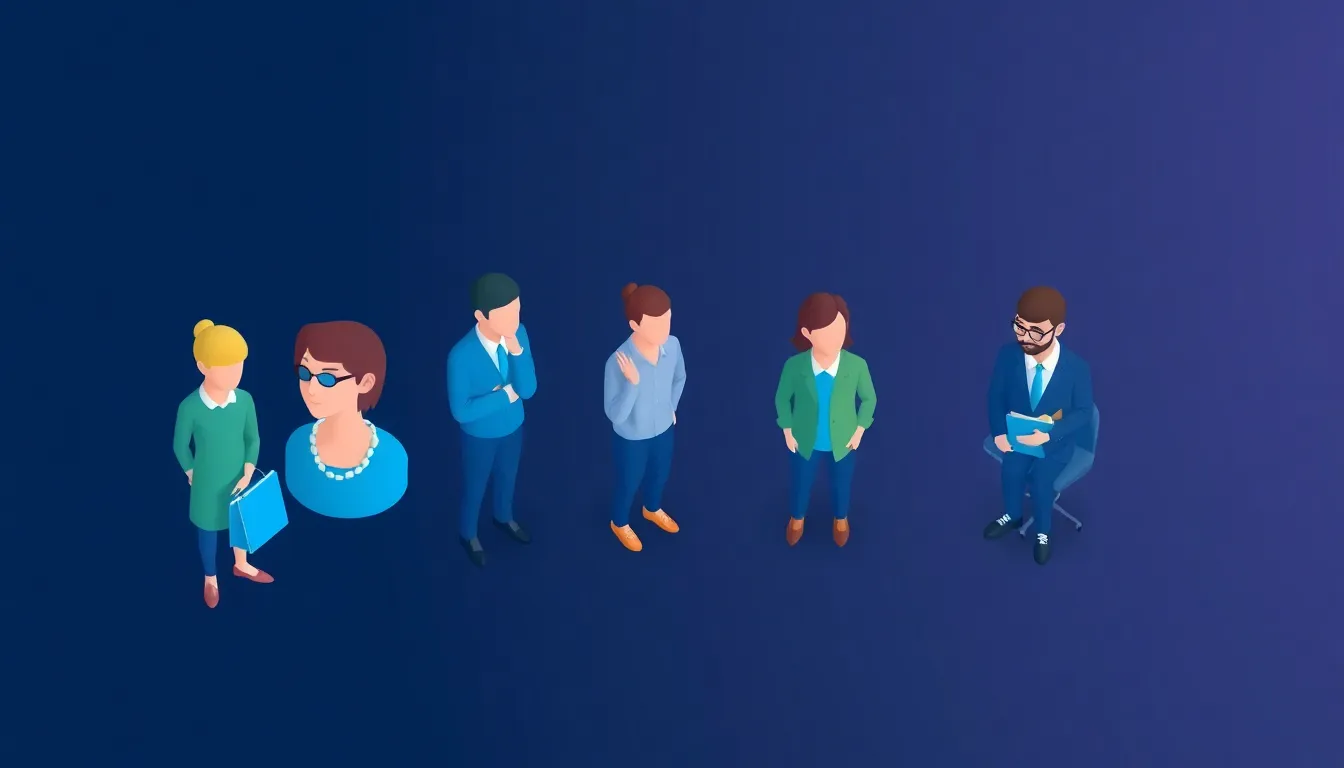
The types of customers are recurring buying patterns you meet again and again: loyal, new, impulse, need-based, discount, wandering, potential, angry, and at-risk. Each is defined by a buying signal, not a demographic. The same person can be a loyal customer on Monday and an angry one on Friday. You handle the pattern in front of you, not the profile in your CRM.
Read the type off behavior. A loyal customer references past work. A discount customer opens with price. An at-risk customer goes quiet after using you weekly. The signal tells you the move.
The 9 types of customers at a glance
This table maps each type to the signal you can spot in one interaction and the single highest-leverage response. Use it as a cheat sheet before a call or a reply.
| Type | Signal you can spot | Best move | Rough share of base |
|---|---|---|---|
| Loyal | References past work, refers others | Ask for the referral and the case study | ~20% |
| New | First purchase, unsure of process | Over-communicate the next step | Varies |
| Impulse | Buys fast when it clicks | Remove friction, no extra steps | Varies |
| Need-based | Has a specific problem, wants it solved | Solve it, then widen the scope | High |
| Discount | Opens with price or a coupon | Anchor to value or let them go | ~20-30% |
| Wandering | Browses, no clear intent | Capture the email, do not chase | Largest by traffic |
| Potential (prospect) | Engaged, not yet decided | Give proof and a low-risk next step | Varies |
| Angry | Complaint, threat to leave | Acknowledge, own it, fix fast | Small but loud |
| At-risk | Usage or contact drops off | Reach out before they cancel | Hidden until too late |
Loyal customers
Loyal customers have bought before, trust you, and refer others without being asked. They are usually around 20% of your base but drive the majority of revenue, because retention compounds and referrals arrive pre-sold. This is the type to protect first. Losing one loyal client often costs more than losing five wandering visitors.
The move: turn loyalty into assets. Ask for the referral, the testimonial, and the case study while the goodwill is fresh. In our work with service firms, a single documented client win closed more deals than a quarter of cold outreach. Loyal customers also fund compounding lead generation because their referrals lower your acquisition cost over time.
New customers
New customers just made their first purchase and do not yet know how you work. Their risk is not price, it is uncertainty. The first 30 days decide whether they become loyal or churn, so this is where over-communication pays. Tell them the next step before they have to ask.
The move: engineer a clean onboarding. Confirm the order, set expectations, and deliver one small win early. A new customer who sees value in week one is far likelier to renew. Map this against your customer lifecycle touchpoints so the handoff from sale to service never drops.
Impulse customers
Impulse customers buy quickly the moment something clicks. They are not weighing a spreadsheet, they are acting on a feeling. Your job is to stay out of their way. Every extra form field, upsell, or confirmation step gives them a reason to reconsider and abandon.
The move: strip friction. One clear button, one price, one obvious yes. For service businesses this often means a low-priced entry offer or a fast-to-book intro call rather than a long proposal. Impulse energy has a short half-life, so speed matters more than polish.
Need-based customers
Need-based customers arrive with a specific problem and want it solved with minimal friction. They are the healthiest type to sell to because intent is already there. You are not creating demand, you are meeting it. Solve the stated problem cleanly and you earn the right to expand.
The move: fix the immediate need, then widen the scope only after you deliver. A client who came for one landing page becomes a retainer when the first project works. This is demand you capture rather than create, and it usually converts at the highest rate of any type.
Discount customers
Discount customers lead with price, hunt for coupons, and rarely pay full rate. They can be the least loyal segment, often up to a quarter or third of inbound interest, and they switch the moment a cheaper option appears. Not every discount buyer is a bad fit, but chasing all of them erodes margin.
The move: anchor to value or disqualify early. Show the cost of the cheap alternative, or route them to a productized entry tier. If they only want the lowest number, letting them walk protects your capacity for better-fit clients. Guarding margin here directly protects your conversion economics.
Wandering customers
Wandering customers browse without clear intent. Online they are the largest group by raw traffic and the smallest by conversion. Most will never buy, and that is fine. The mistake is spending sales energy chasing them instead of capturing the few who will return.
The move: capture, do not chase. Offer one useful lead magnet or newsletter, then let your content do the follow-up. A wandering visitor who joins your list can convert months later when a need appears. Feeding them through a nurture funnel costs almost nothing and catches the future need-based buyer.
Potential customers (prospects)
Potential customers have shown real interest, downloaded something, booked a call, replied, but have not decided. They sit between wandering and buying. The gap is usually risk, not desire. They want proof that you deliver and a next step that does not feel like a commitment.
The move: reduce perceived risk. Share a relevant result, a short case study, or a paid pilot. A low-stakes first step converts more prospects than a hard pitch. This is the type where a fractional operator earns their fee, which is why the fractional CMO model focuses so heavily on prospect-stage conversion.
Angry customers
Angry customers are complaining, and often threatening to leave. Handled well, they become some of your most loyal, because a fast recovery signals that you stand behind your work. Handled badly, they leave a public review that costs you future prospects. Speed and ownership decide which way it goes.
The move: acknowledge, own it, fix fast, follow up. Do not argue the facts before you address the feeling. In service work, one recovered client relationship has often produced a stronger testimonial than a project that went smoothly. The recovery is the story people remember.
At-risk customers
At-risk customers are quietly disengaging: usage drops, calls go unanswered, invoices slow down. They are the most expensive type to ignore because you paid to acquire them and are about to lose them silently. Unlike angry customers, they do not warn you. You have to watch the signals.
The move: monitor and intervene early. Track engagement, flag the drop, and reach out with a specific, useful reason to re-engage before renewal. Winning back an at-risk client costs a fraction of acquiring a new one, which is why a CAC-aware retention play is one of the highest-ROI moves a 7-figure service business can make.
How to use the types of customers in practice
Do not try to serve all nine equally. Rank them by contribution: protect loyal, convert need-based and potential, capture wandering cheaply, recover angry and at-risk, and qualify out the wrong discount buyers. This is triage, not fairness. Your calendar should reflect where revenue actually comes from.
Then build one repeatable response per type into your process, so the right move fires automatically instead of depending on who picks up the phone. Book a consultation if you want that mapped to your own pipeline. The worked table above is the fastest starting point.
Frequently asked questions
What are the 5 main types of customers?
The five most cited types are loyal, impulse, need-based, discount, and wandering customers. Loyal buyers drive repeat revenue, impulse buyers act fast, need-based buyers arrive with a problem, discount buyers chase price, and wandering buyers browse without clear intent. The other four common types are new, potential, angry, and at-risk customers.
What is the most valuable type of customer?
Loyal customers are usually the most valuable. They often make up only around 20% of a base but generate the majority of revenue through repeat purchases and referrals that arrive pre-sold. Because retention compounds and their referrals lower acquisition cost, protecting loyal customers typically returns more than chasing new ones.
How do you identify a customer type?
Read the behavior, not the demographic. A loyal customer references past work, a discount customer opens with price, an impulse customer buys the moment it clicks, and an at-risk customer goes quiet after regular use. Each type shows a signal you can spot in a single interaction, which then tells you the right response.
What is the difference between customer types and buyer personas?
Customer types describe how someone is buying right now, such as loyal, discount, or at-risk. Buyer personas describe who a target customer is, including their role, goals, and pain points. The same person can shift between types day to day, while their persona stays fixed. You use types to react and personas to plan.
How should a service business handle discount customers?
Anchor to value or disqualify early. Show what the cheaper alternative actually costs, or route price-led buyers to a productized entry tier. If a buyer only wants the lowest number, letting them go protects margin and capacity for better-fit clients. Not every discount buyer is bad, but chasing all of them erodes profit.
More marketing guides
- Get Clients with ChatGPT: Founder’s Playbook
- AI Sales Emails That Get Replies
- ChatGPT for Sales: Outreach Playbook
- Managing a Sales Force: The Operating System for Structuring, Coaching, and Paying a Team That Hits Quota
- Pipeline Marketing & Sales Alignment
- Sales and Marketing Plan Example: A Filled-In Sample for a Service Business
- Rank on AI: Get Cited by AI Search